Istanbul Airport to Sabiha Gökçen Airport Transfer
Istanbul Airport sits in the far north of the European side, Sabiha Gökçen on the Asian side at Kurtköy, and 80-90 km of road lie between them. Thanks to the Northern Marmara Motorway the trip bypasses city traffic entirely, usually taking 60-90 minutes. This page is written for passengers landing at IST who must continue from SAW — with honest numbers on connection times and luggage.
Distance:81.56 kmMin. advance booking:24h
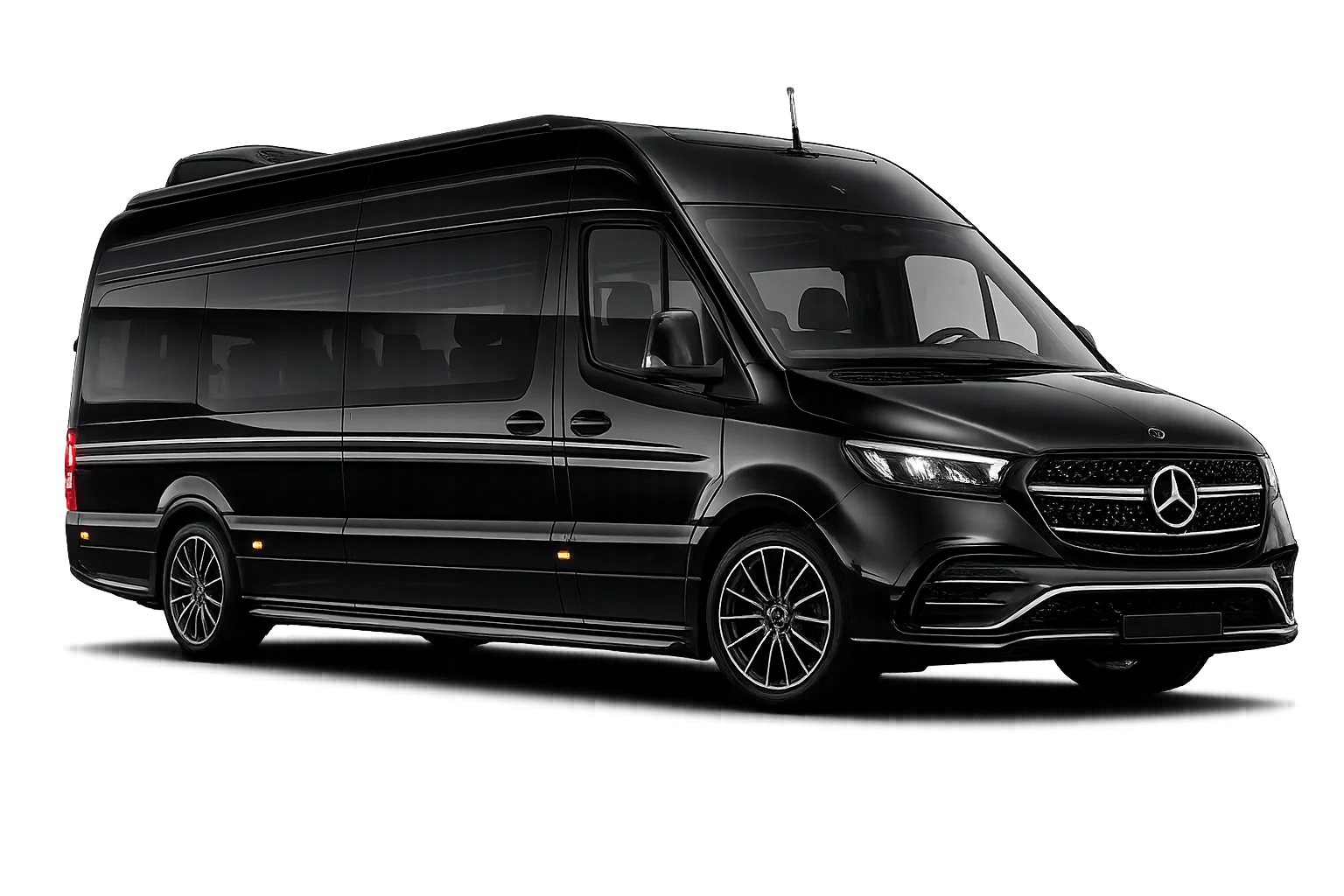
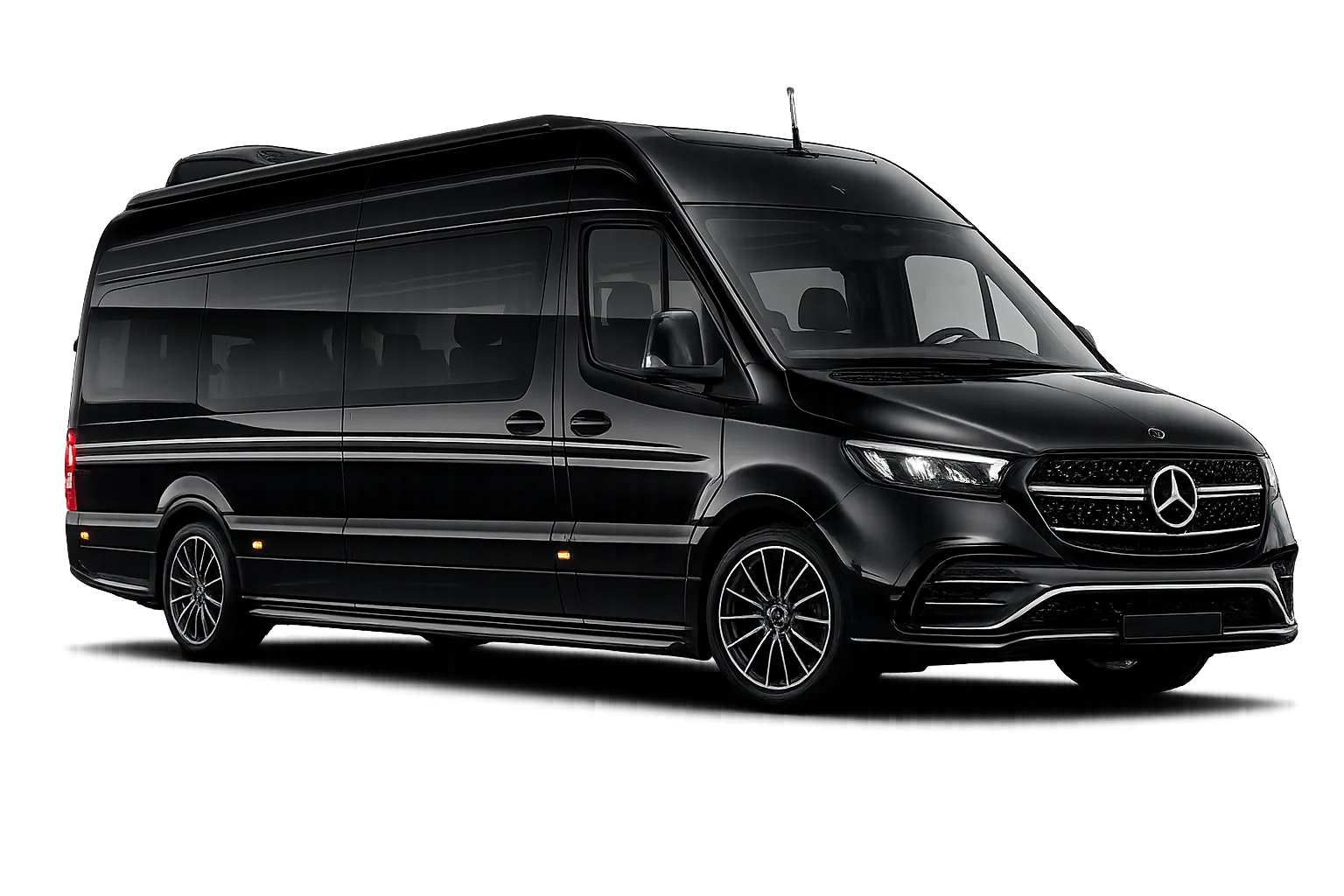
minibus-15
Minibus 15 Pax
$87.00
per vehicle
15 pax8 bags
Free cancellation (24h)
Free cancellation until 24 hours before pickup — a full refund is issued if cancelled before that deadline.
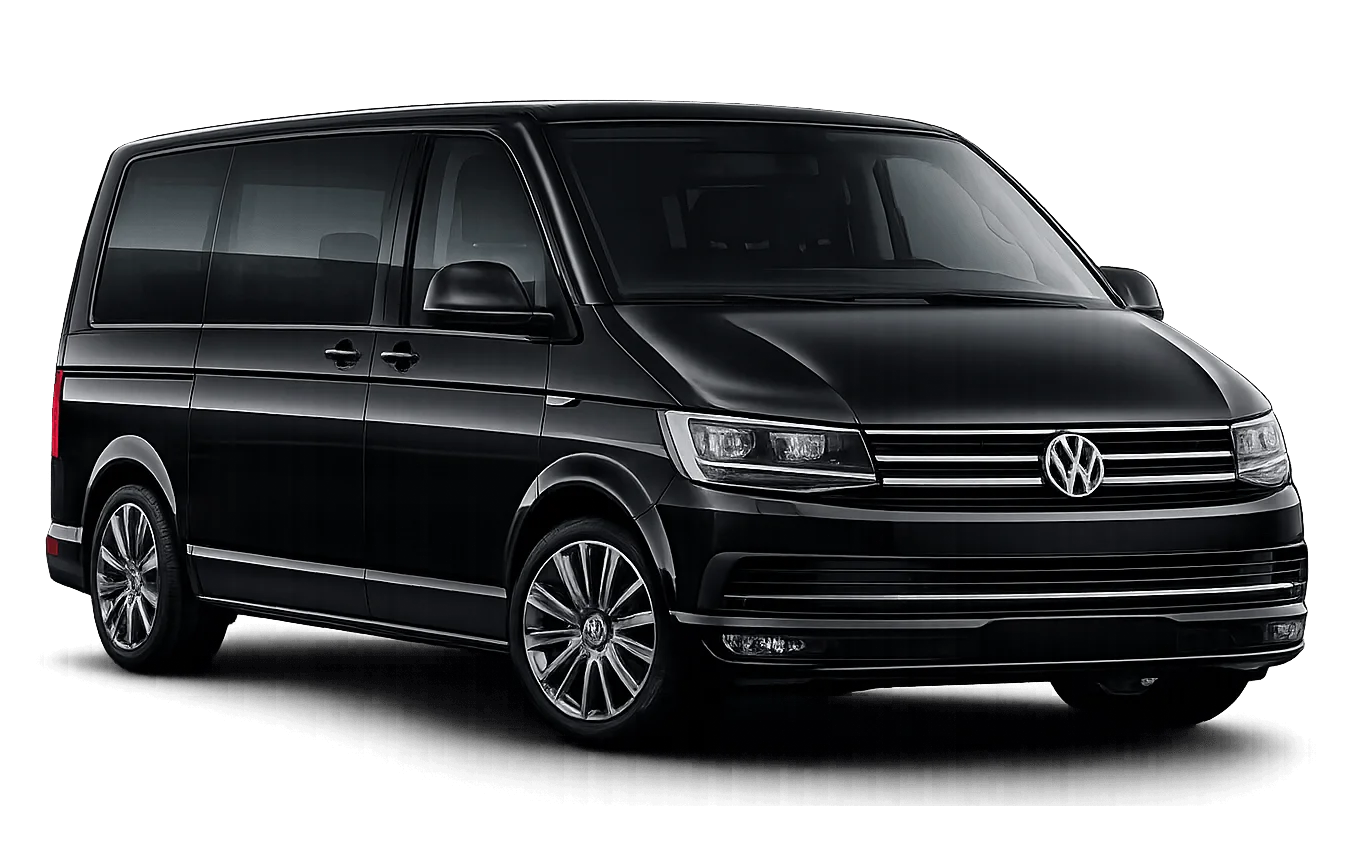
transporter
Minivan
$105.26
per vehicle
5 pax5 bags
Free cancellation (24h)
Free cancellation until 24 hours before pickup — a full refund is issued if cancelled before that deadline.
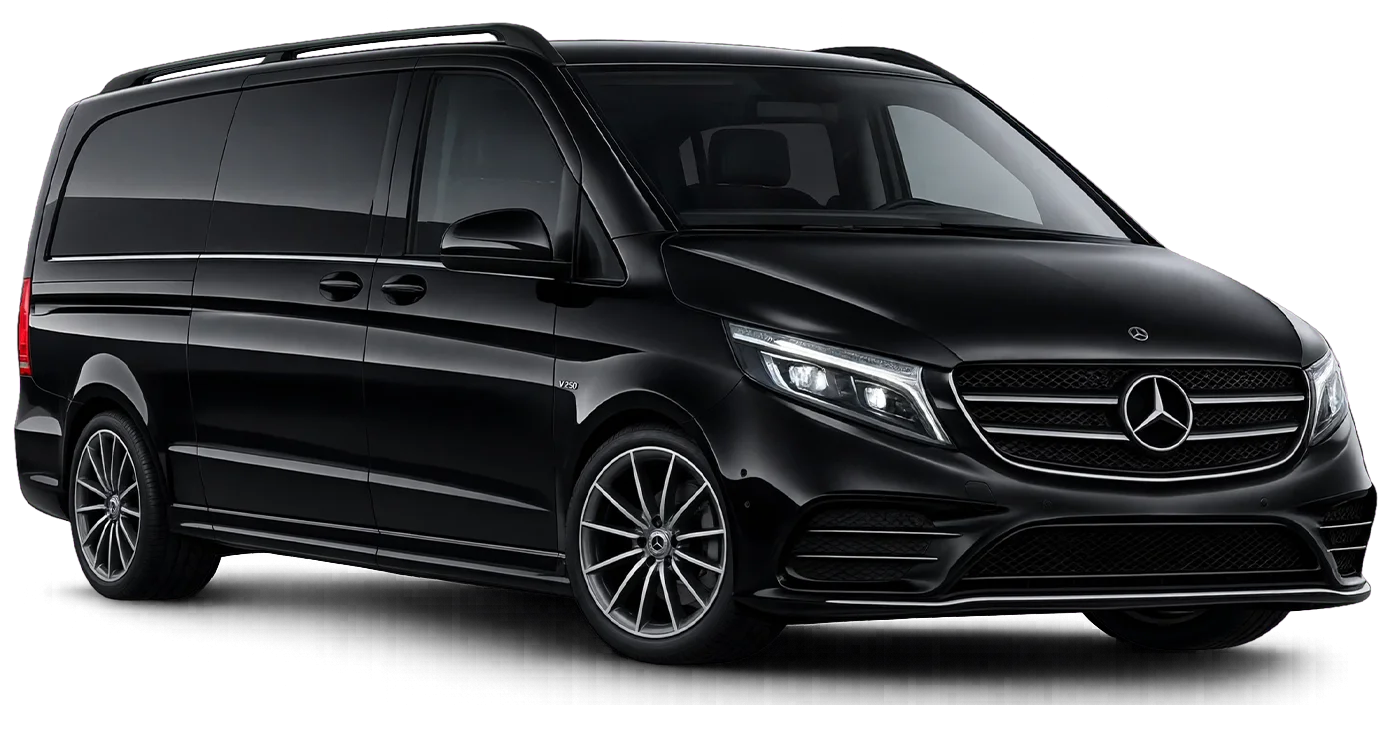
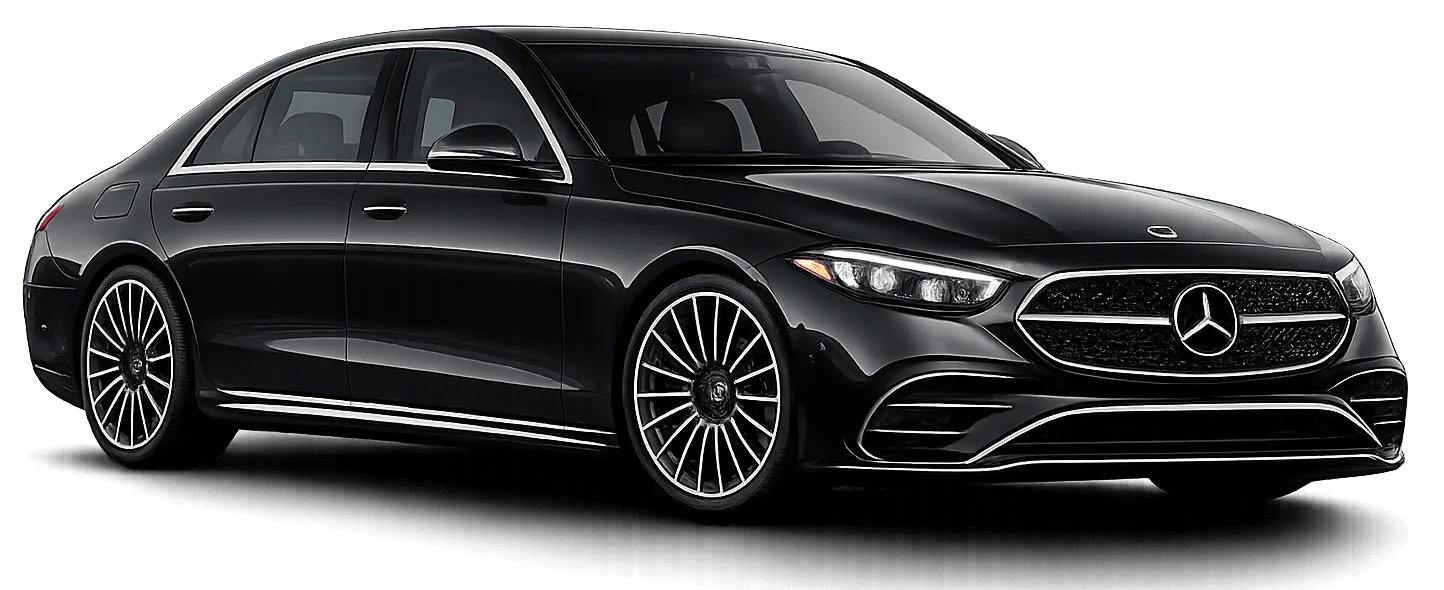
premium
Premium
$130.09
per vehicle
6 pax5 bags
Free cancellation (24h)
Free cancellation until 24 hours before pickup — a full refund is issued if cancelled before that deadline.
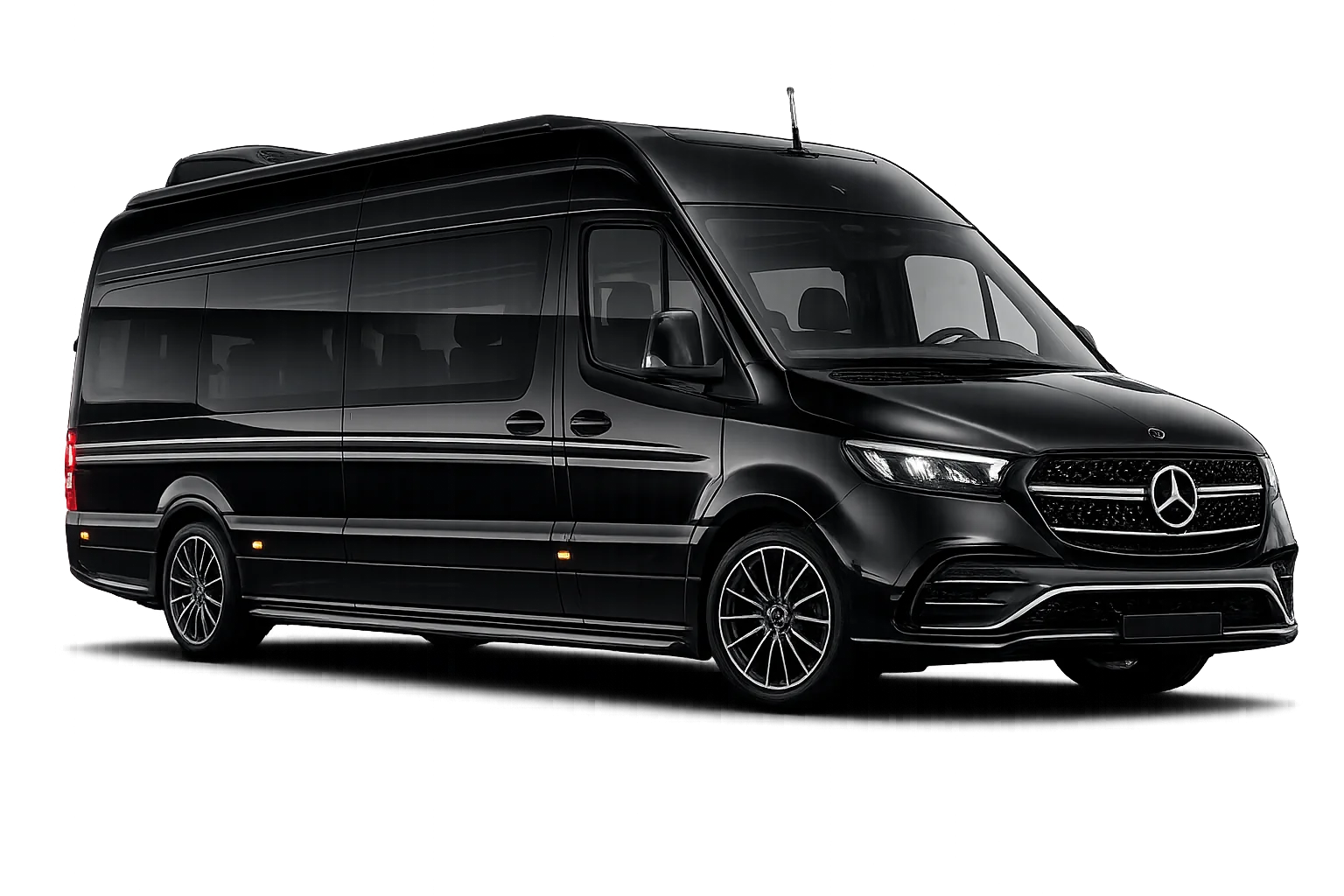
minibus
Minibus
$189.23
per vehicle
10 pax8 bags
Free cancellation (24h)
Free cancellation until 24 hours before pickup — a full refund is issued if cancelled before that deadline.
minibus-13
Minibus 13 Pax
$212.87
per vehicle
13 pax8 bags
Free cancellation (24h)
Free cancellation until 24 hours before pickup — a full refund is issued if cancelled before that deadline.
business
Business
$834.92
per vehicle
3 pax2 bags
Free cancellation (24h)
Free cancellation until 24 hours before pickup — a full refund is issued if cancelled before that deadline.
Who actually makes this airport-to-airport trip
The classic passenger here has flown into Istanbul Airport internationally and holds an onward domestic or low-cost departure out of Sabiha Gökçen. The two tickets are almost always separate purchases — which quietly transfers all connection risk to you: collecting bags, changing airports and checking in again are your job, not an airline's.
The second group are the replanners: a cancelled sector, a missed connection or a last-minute rebooking regularly sends people across the city from one airport to the other with a deadline hanging over them. Time pressure defines this route in both scenarios.
The motorway that never touches the city
From IST the car joins the O-7 Northern Marmara Motorway, crosses the Bosphorus high up at the Yavuz Sultan Selim Bridge and descends through the motorway network to Kurtköy on the Asian side. Because the route never approaches central Istanbul, it stays largely insulated from the city's notorious congestion.
The working estimate is 60-90 minutes. Late weekday afternoons can thicken the interchange points and push towards two hours, while overnight runs sometimes finish inside the hour.
The connection-time question, answered properly
On separate tickets, put no less than four to five hours between the flights. Walk through the arithmetic: deplaning and passport control at IST take real time in a terminal that size, baggage delivery adds more, the 80-90 km drive needs a traffic cushion, and SAW still requires check-in and security at the far end.
And remember the hard rule of self-connecting: if your first flight is late, the second carrier owes you nothing. A generous buffer is the cheapest insurance this route sells.
Scheduled coach versus a car booked to your flight
Coach services do link the two airports and cost less, but they leave on their own timetable — a delayed inbound flight can strand you waiting for the next departure, and intermediate stops stretch the door-to-door total. For a family of three or four the maths tightens anyway, since the car is priced per vehicle rather than per head.
A private transfer inverts that logic: the car is pegged to your actual landing, waiting longer if you are late and moving up if you are early. When the goal is the shortest reliable terminal-to-terminal time with luggage, that flexibility is the whole point.
Shaving minutes at the IST end
Gate-to-kerb at Istanbul Airport can be a long walk, so follow the baggage and exit signage without detours, and use the e-gates at passport control if your passport qualifies — the queue difference is substantial. Your driver waits just outside Gate 13, in the area next to the H11 sign.
At Sabiha Gökçen, domestic check-in desks usually move briskly; even so, aim to reach the terminal at least 90 minutes before departure to keep a safety margin. SAW's compactness works in your favour here — the walk from security to the gates is short, and everything sits in one building, so orientation costs almost nothing.