Sultanahmet is the heart of the historic peninsula — Hagia Sophia, the Blue Mosque and Topkapı Palace stand within a few hundred metres of each other — and it lies roughly 45-50 km from Sabiha Gökçen. The Eurasia Tunnel might have been built for this route: its European exit feeds the coastal road that skirts the old city. Count on 45-70 minutes when quiet, closer to two hours at peak.
Distance:39.44 kmMin. advance booking:24h
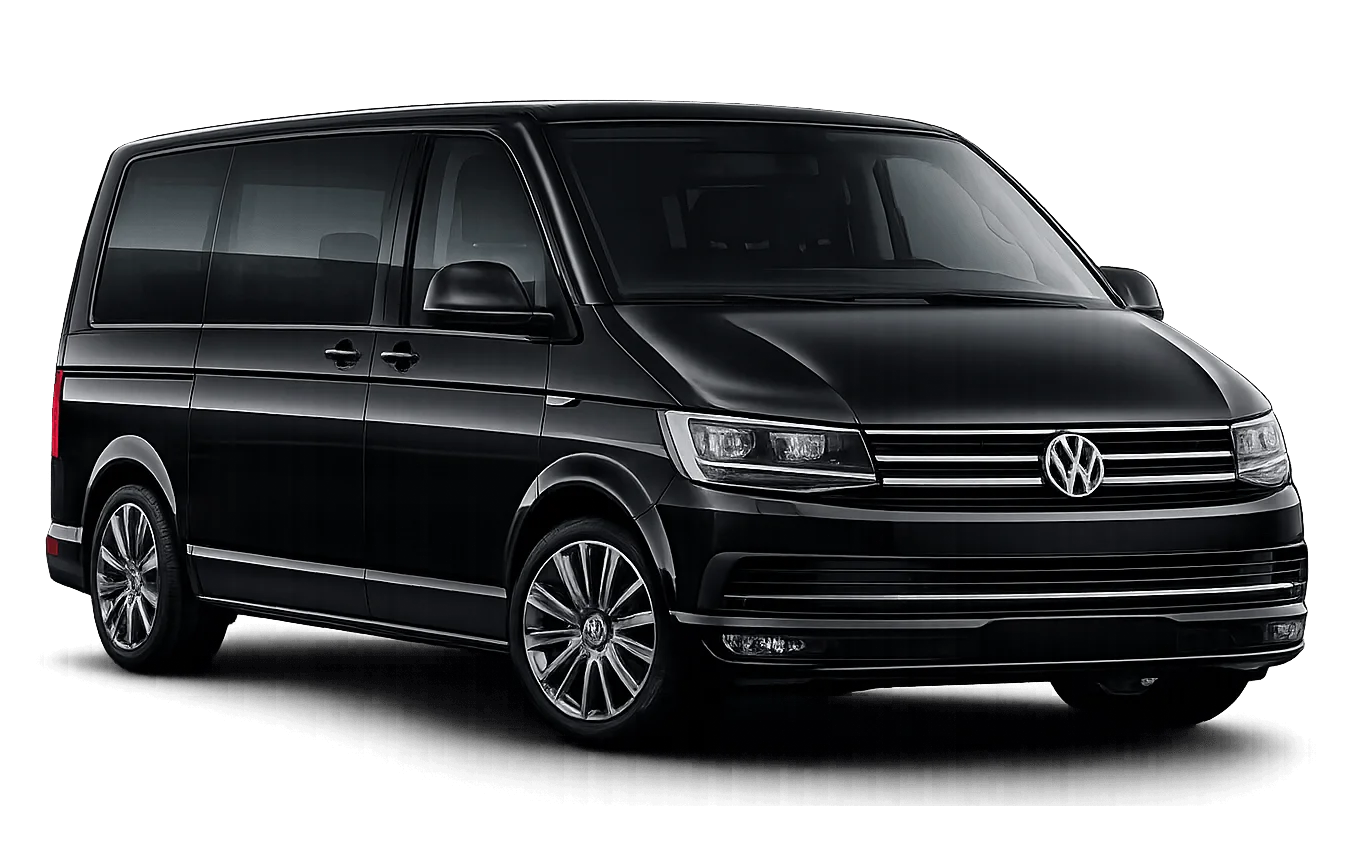
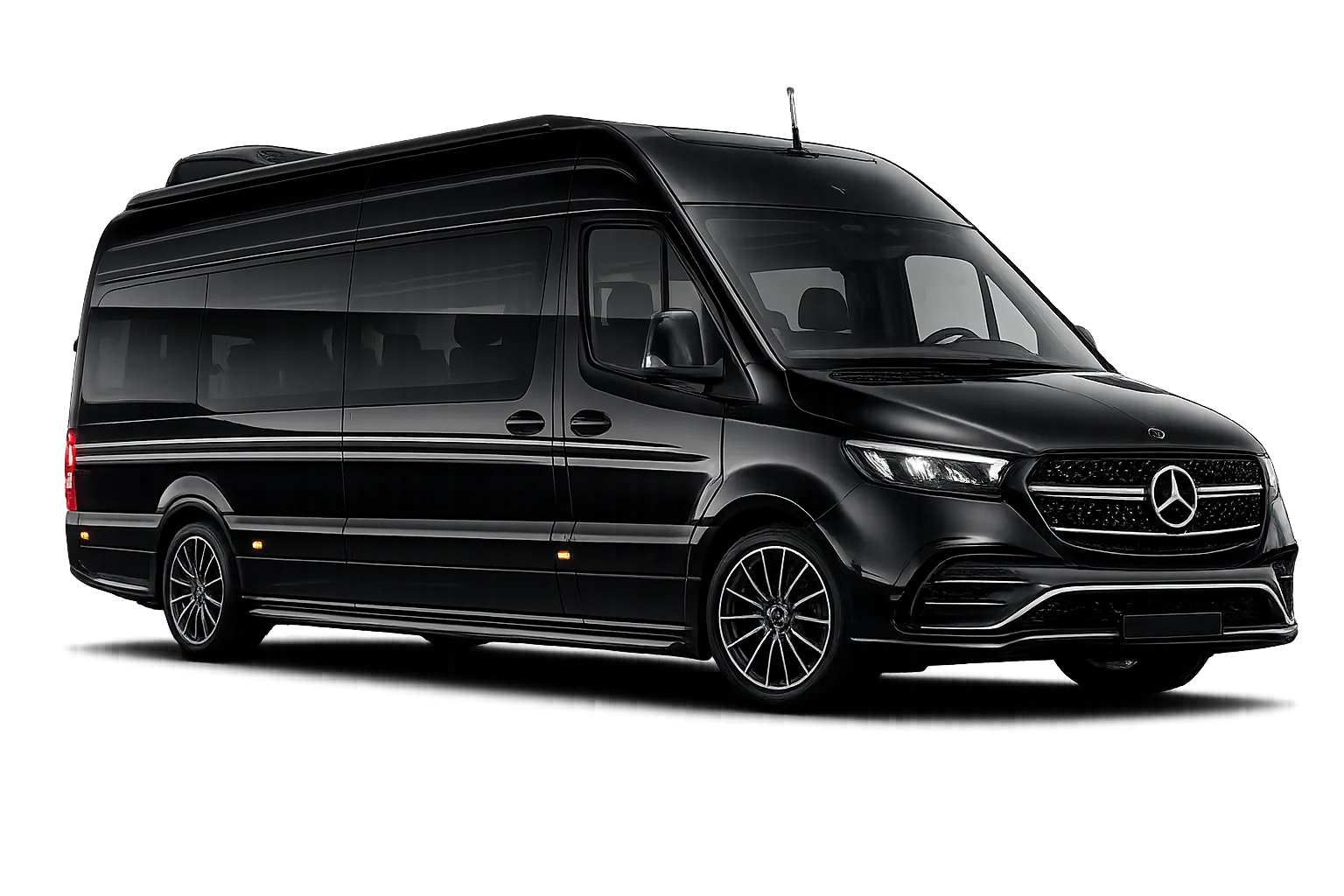
transporter
Minivan
$58.00
per vehicle
5 pax5 bags
Free cancellation (24h)
Free cancellation until 24 hours before pickup — a full refund is issued if cancelled before that deadline.
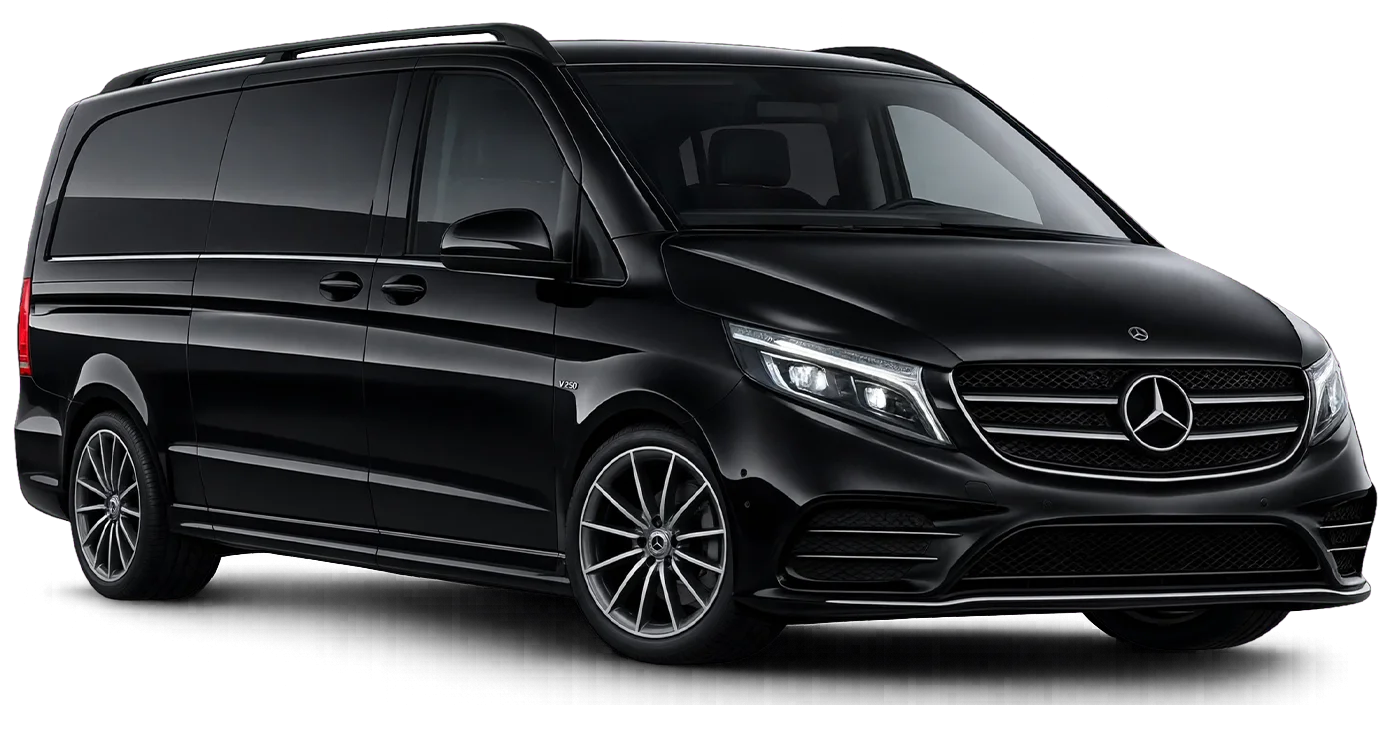
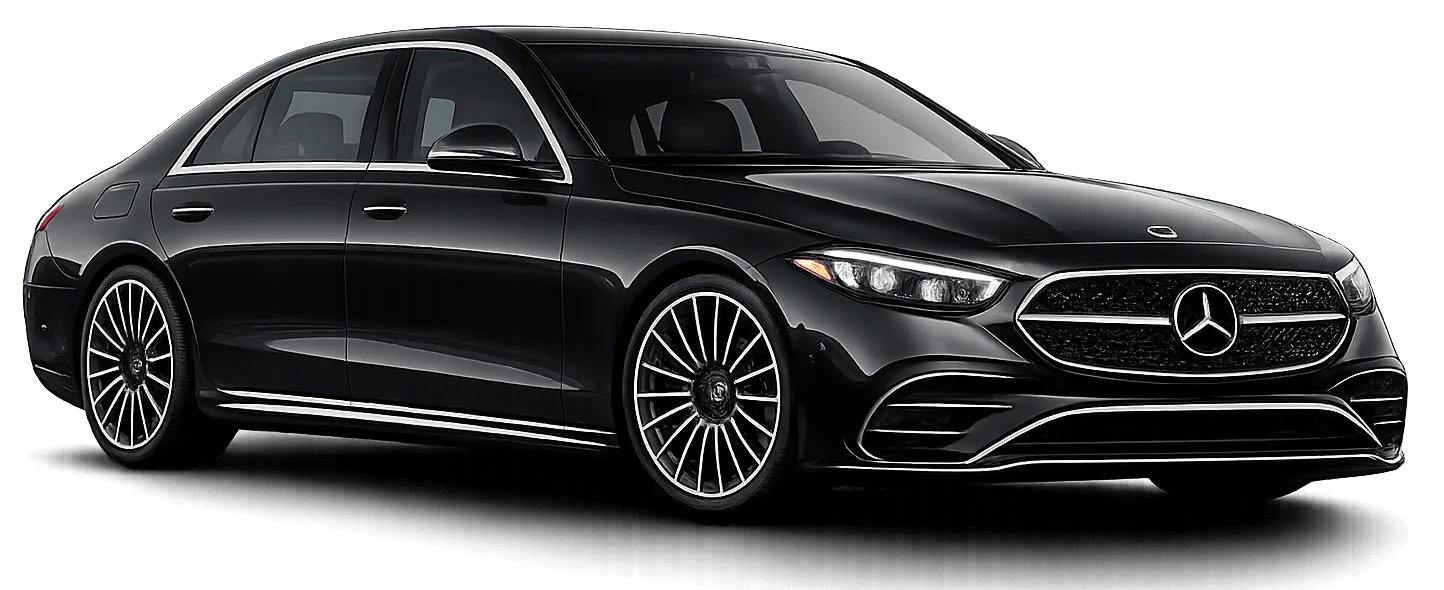
premium
Premium
$72.50
per vehicle
6 pax5 bags
Free cancellation (24h)
Free cancellation until 24 hours before pickup — a full refund is issued if cancelled before that deadline.
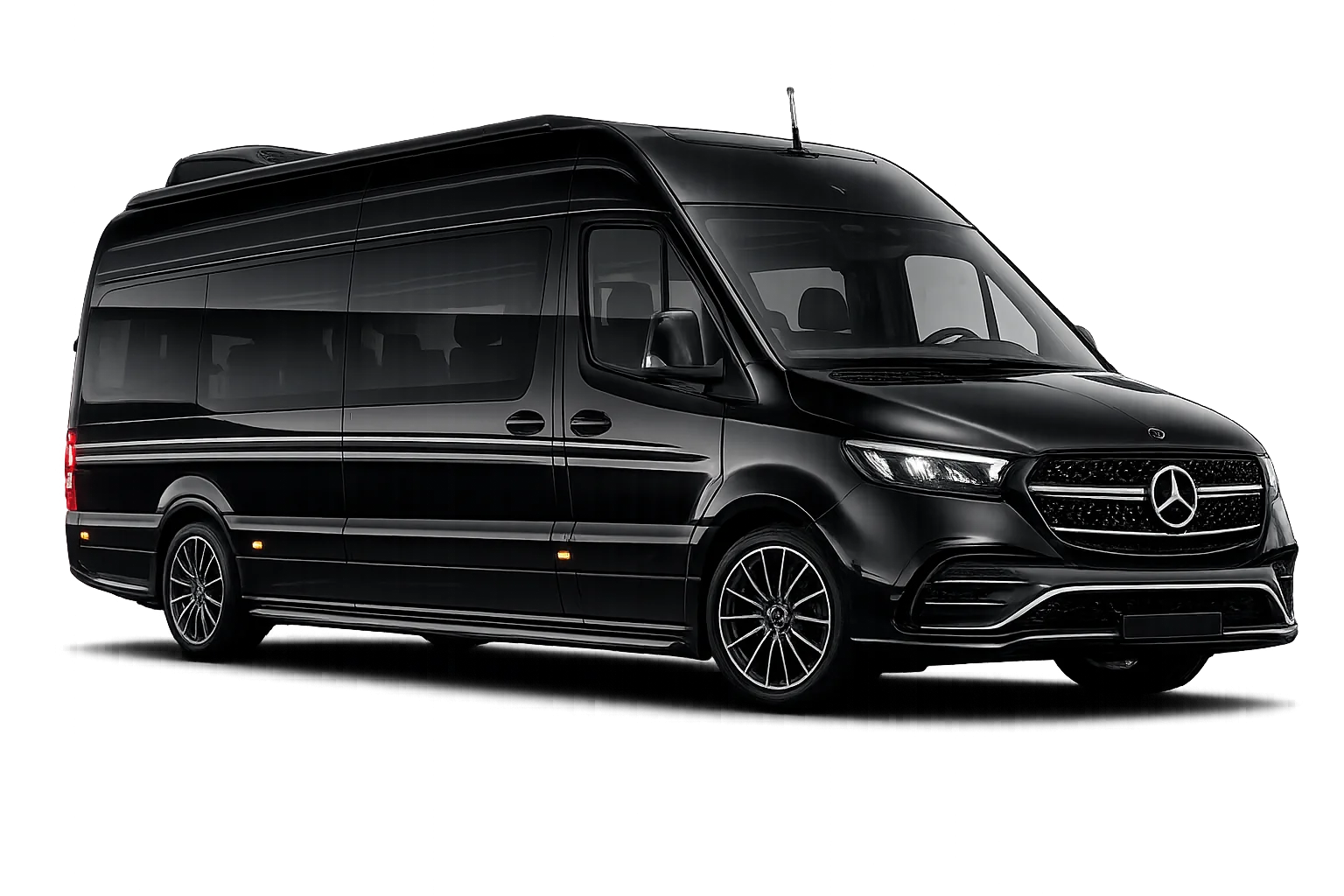
minibus-15
Minibus 15 Pax
$87.00
per vehicle
15 pax8 bags
Free cancellation (24h)
Free cancellation until 24 hours before pickup — a full refund is issued if cancelled before that deadline.
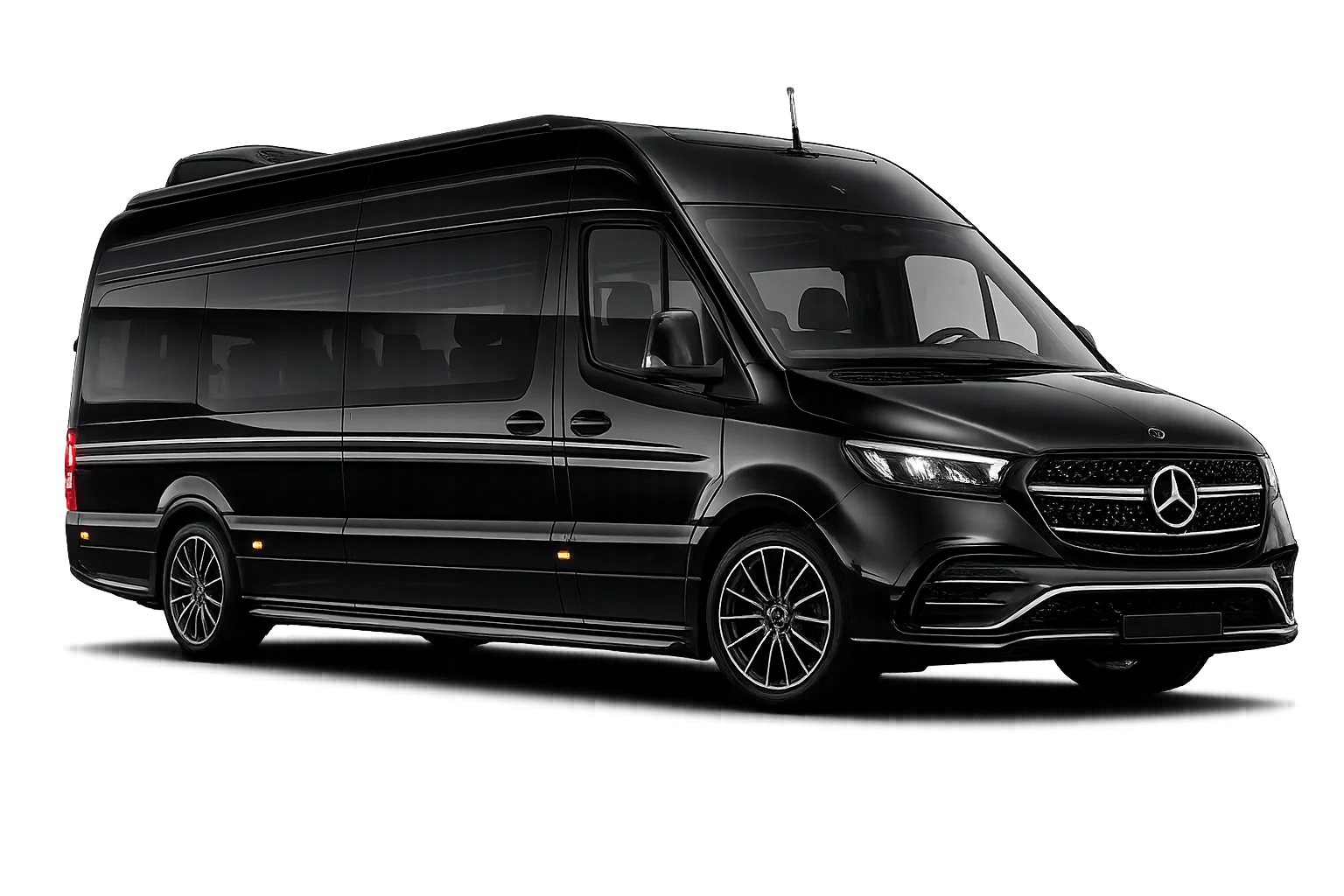
minibus
Minibus
$91.50
per vehicle
10 pax8 bags
Free cancellation (24h)
Free cancellation until 24 hours before pickup — a full refund is issued if cancelled before that deadline.
minibus-13
Minibus 13 Pax
$102.94
per vehicle
13 pax8 bags
Free cancellation (24h)
Free cancellation until 24 hours before pickup — a full refund is issued if cancelled before that deadline.
business
Business
$403.75
per vehicle
3 pax2 bags
Free cancellation (24h)
Free cancellation until 24 hours before pickup — a full refund is issued if cancelled before that deadline.
Landing in the old city: what surrounds your hotel
Sultanahmet is Istanbul at its most concentrated: Hagia Sophia and the Blue Mosque face each other across one square, the Basilica Cistern and the Hippodrome are steps away, and the Grand Bazaar is a walkable stroll uphill. Hotels here scatter through the lanes of Cankurtaran, Küçük Ayasofya and Binbirdirek — Ottoman-era streets that were never designed with cars in mind.
That is part of the charm and part of the challenge: some lanes are single-width, others restricted at certain hours. Our drivers know the quarter and bring you to the closest reachable point; what remains is usually a short cobbled walk.
The tunnel advantage on this particular run
Heading west on the D100/E-5, the car enters the Eurasia Tunnel at Göztepe, passes beneath the Sea of Marmara and surfaces at Kazlıçeşme. From there, the Kennedy Avenue coastal road traces the edge of the peninsula straight to the Sultanahmet approach — no fighting through the central districts, which is exactly what a bridge routing would involve.
On timing: 45-70 minutes overnight and in the early morning, stretching to 75-120 minutes in the weekday peaks. On Friday evenings or in heavy rain, assume the upper end.
Marmaray, buses and taxis, honestly compared
The strongest public-transport chain is genuinely clever: take the M4 metro to Ayrılık Çeşmesi, switch to the Marmaray rail line, ride beneath the Bosphorus to Sirkeci, then walk or hop the tram up to the square. It works — but it is two changes plus station stairs, which is a real effort with suitcases.
Airport shuttle coaches do not serve Sultanahmet directly; they head for Taksim or Kadıköy and leave you to continue from there. A taxi meter, meanwhile, ticks with the traffic. A private transfer stays the only zero-change option, at a price fixed before you fly, tunnel toll included.
Once the car leaves, you will not miss it
A quiet advantage of basing yourself here: after the luggage drop, the peninsula runs entirely on foot and rails. Every headline monument sits within strolling range, the Grand Bazaar is a ten-minute climb from the square, and the T1 tram covers anything further — west towards Beyazıt, east through Gülhane and Sirkeci down to the Eminönü waterfront, where Bosphorus cruises and city ferries depart. Most guests use a vehicle exactly twice: arriving from Sabiha Gökçen, and returning to it.
Arrival logistics at old-city hotels
Always include the hotel name in your booking: in Sultanahmet, two hotels can sit fifty metres apart yet require completely different approaches through the one-way maze. If yours lies inside a pedestrianised pocket, the driver walks you and the luggage to the door from the nearest stopping point.
Arriving before check-in time? Practically every hotel in the quarter stores bags. Use the gap well — the plaza between Hagia Sophia and the Blue Mosque is at its calmest early in the morning, before the tour groups arrive.